
Wise Change, in Practice.
Every school faces a different challenge. These are the stories of schools that chose to face it — and what happened when MSA was part of the journey.
AI + RAIL SCHOOLS
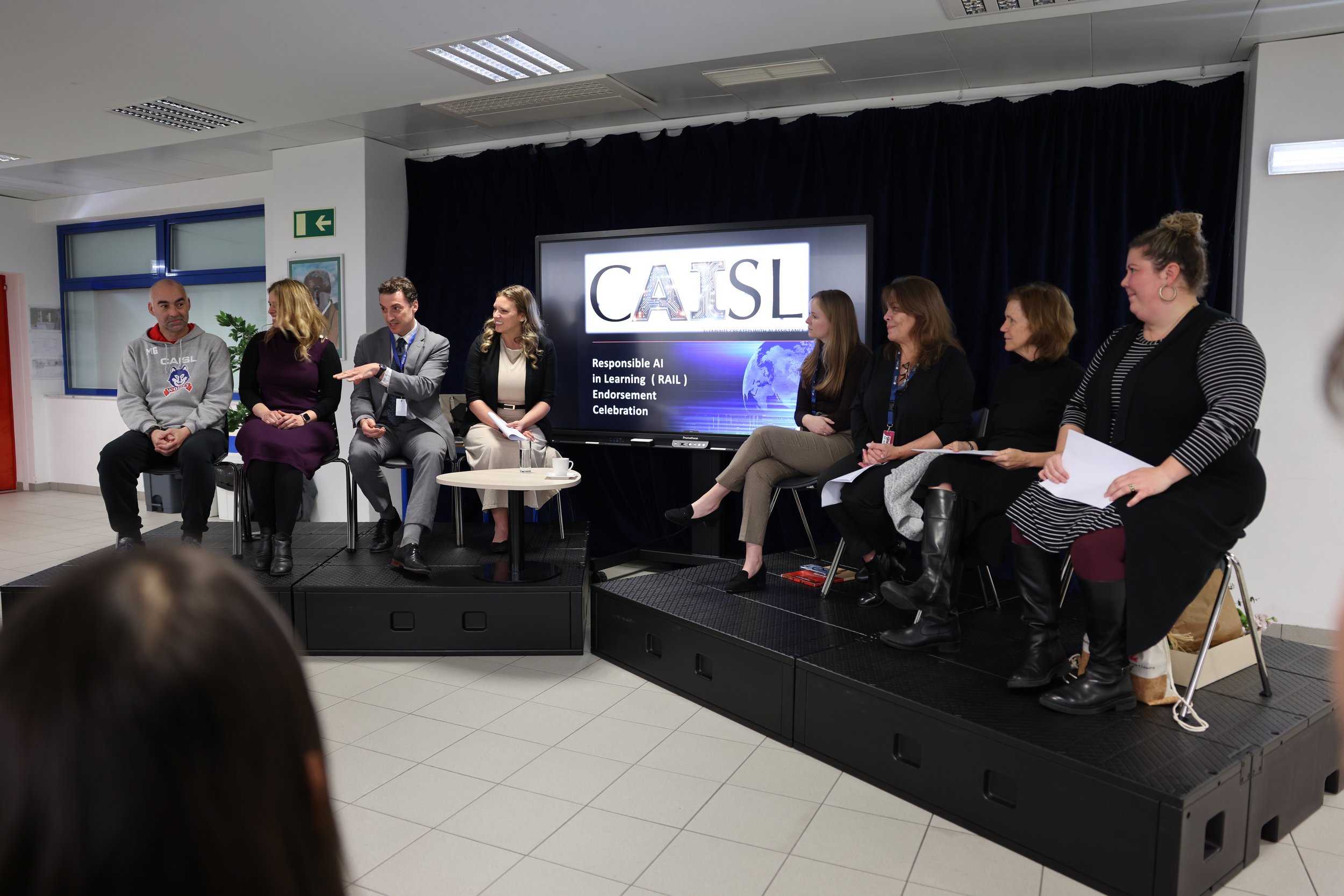
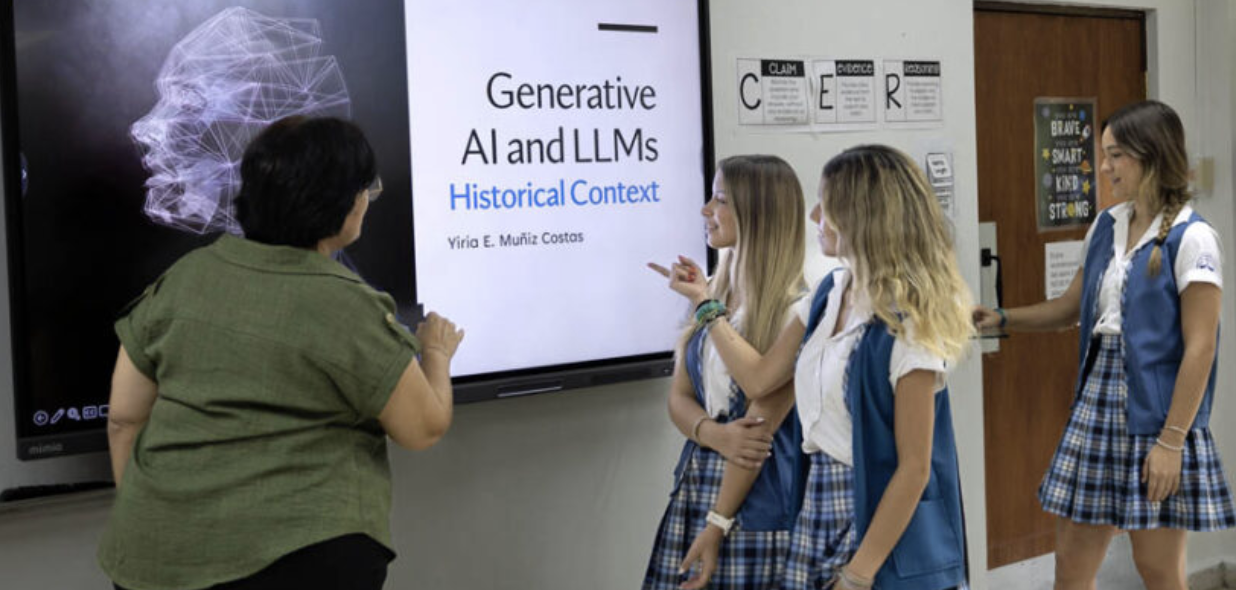
Parents had questions CAISL couldn't yet answer with a policy. So instead of waiting, they opened the room — to faculty, to students, and to the parents themselves. Here's what happened when a school decided trust was the framework.
We kept hitting the same wall: we had faculty willing to try AI, but no shared language for what "good" looked like. Episcopal Academy didn't wait for the perfect policy. They built the conditions first — and let the tools follow.
The tools arrived before the question did. Rye Country Day School paused and asked: what do we actually want students to be able to do? The answer changed everything about how they brought AI in.
Students already had AI in their hands. The question wasn't whether to address it — it was whether the school's values would show up in how they did. Here's how one Catholic school decided not to look away.
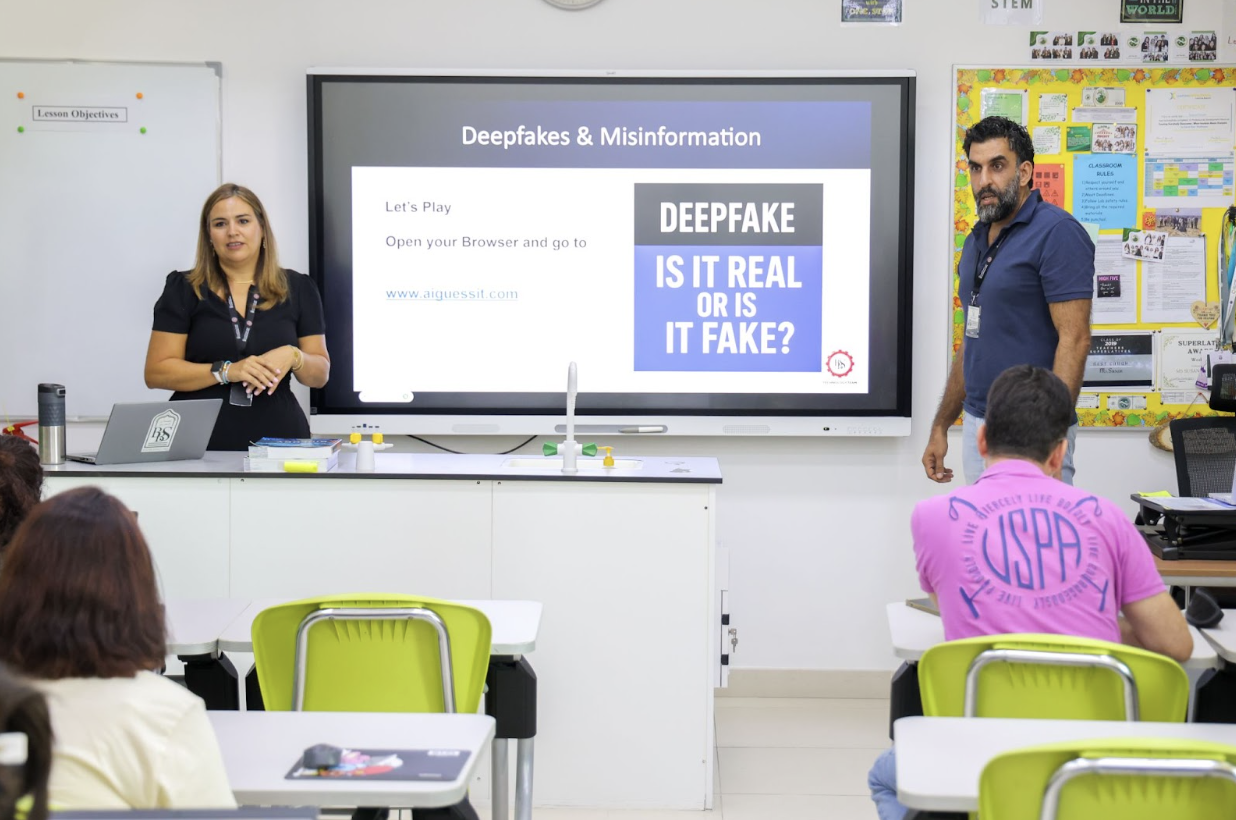
In an international context, the pressure to adopt AI fast is real. Bahrain Bayan School chose a different path — building systems where humans lead and AI informs, not the other way around.
Not everyone on faculty was on board — and that turned out to be an asset. Choate Rosemary Hall didn't try to eliminate resistance to AI. They made room for it, and built something more durable because of it.
When your students are fully remote, AI oversight looks completely different. This school system couldn't rely on hallway conversations or classroom culture. They had to build ethical AI use into the structure itself.
Every vendor promised a solution. Mt. Lebanon's leadership knew that wasn't the problem. They slowed down to design the process — and that's what made the product choices actually stick district-wide.
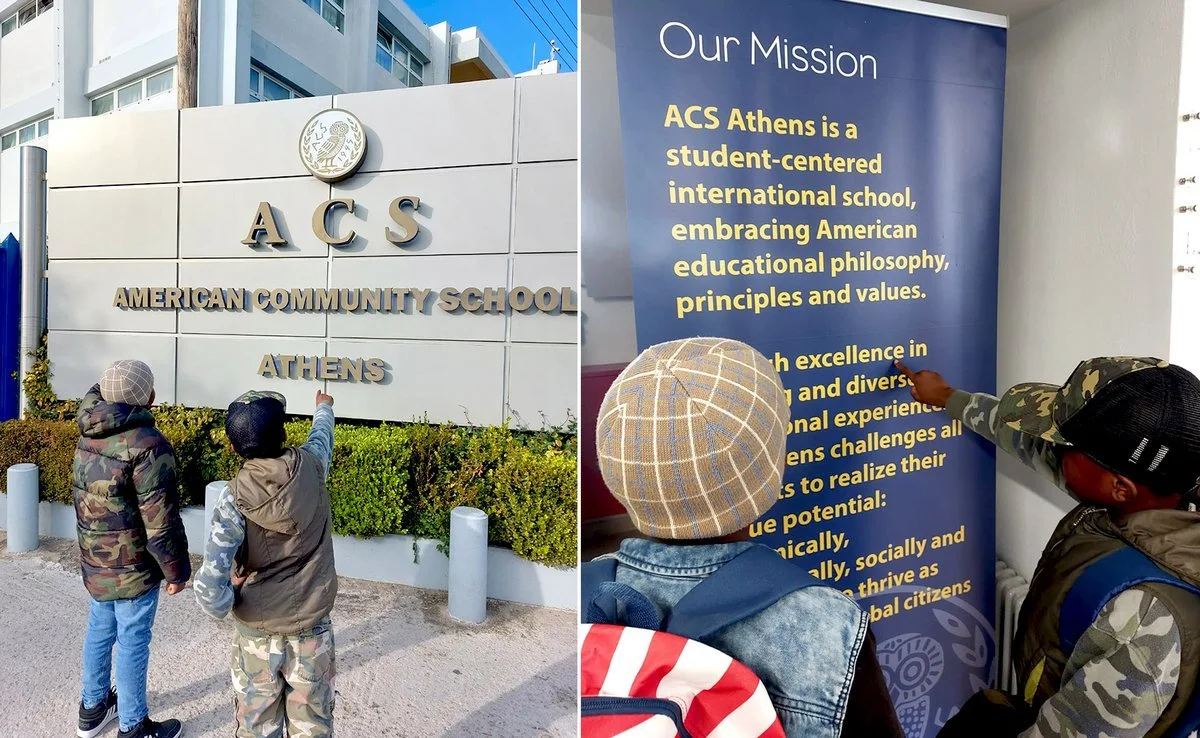
ACS Athens is one of these exemplary schools that leaned into AI early. And they didn’t simply complete the RAIL endorsement experience—they used it to lead real, system-wide change.
On May 19, 2025, the bipartisan TAKE IT DOWN Act—Tools to Address Known Exploitation by Immobilizing Technological Deepfakes on Websites and Networks—was signed into law in the United States. This legislation is a timely response to an escalating crisis: the online exploitation of minors, including through the creation and distribution of AI-generated deepfakes.
While the White House's new AI Executive Order is making headlines, school leaders in the EU need to pay close attention to what's already in motion: the EU AI Act. Adopted in June 2024 and now entering into force, this landmark legislation formally recognizes schools as deployers of AI systems under Article 29—and that comes with real responsibility.
Is your school's story here? MSA works with schools worldwide on ethical AI leadership.
ACCREDITED MEMBER SCHOOLS
They needed accreditation but feared what it might cost them. Lighthouse Christian Academy didn't want a credential that required them to become a different school. Turns out, they didn't have to.
The school had strong outcomes — but couldn't always articulate what was driving them. Through the accreditation process, American School of Milan found language for what they were already doing well, and clarity on what to do next.
We guide schools worldwide helping them on their school change journeys.