Blog

What happened when a school stopped asking what AI could do?
Pinewood American International School finished its first RAIL endorsement with strong frameworks, but wider faculty engagement hadn't yet taken hold. The challenge wasn't a lack of effort. It was that the school had been treating AI as a technology question when it needed to be a purpose question. What happened next, from a new Portrait of a Graduate to dinner with an AI-generated Lenin, shows what changes when a school answers identity before it answers tools.
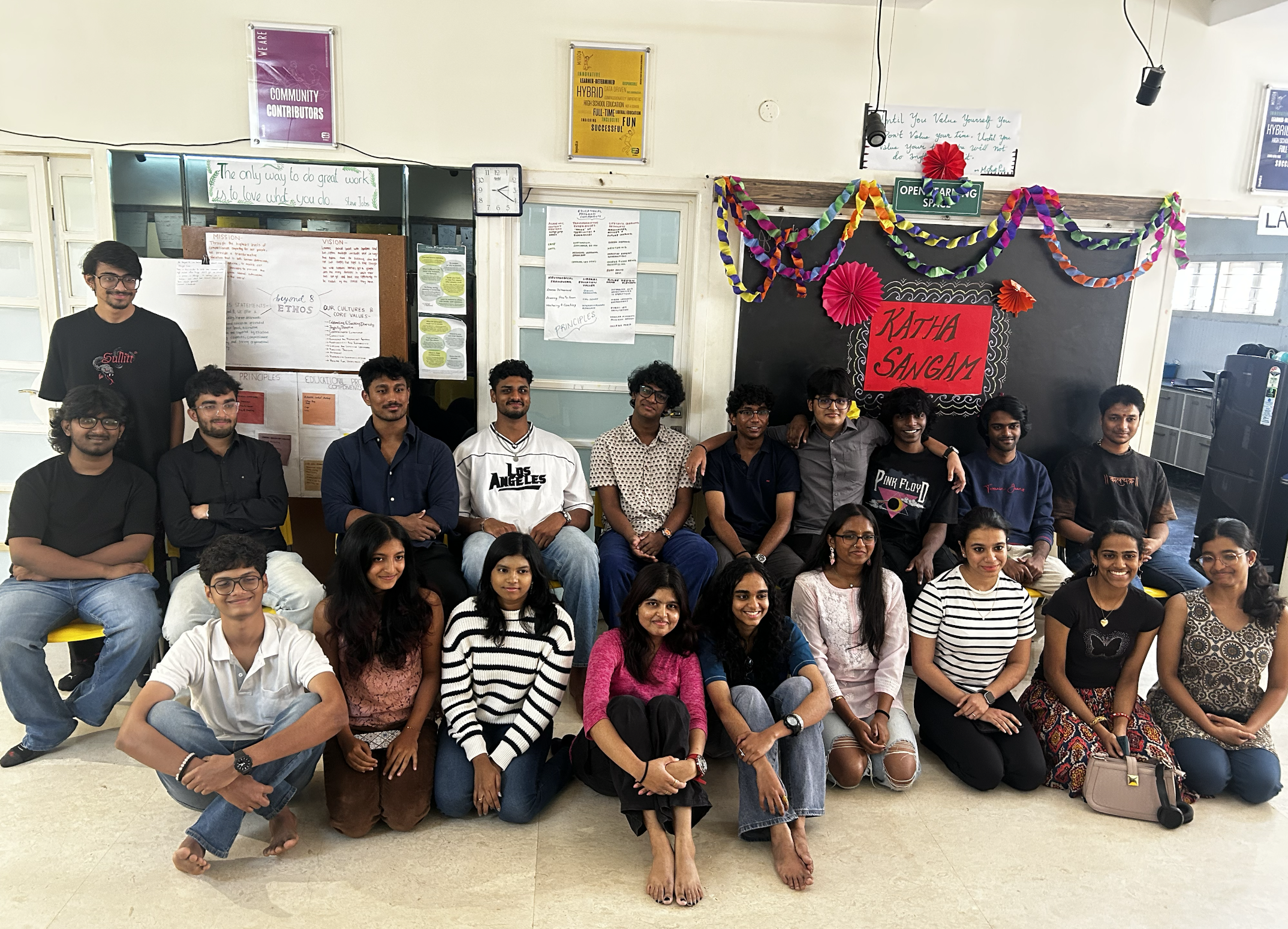
Beyond 8: What Happens When a School's Values Are Clear Enough That Every Technology Question Has an Obvious Answer?
Beyond 8 built its AI scheduler and classroom tools around a decade of clarity about who each learner is, then caught an AI-generated intervention plan that got a student wrong and handed the decision back to her. Read how RAIL helped this school formalize the human-led AI philosophy it already had.

Make the bug a feature: At Episcopal Academy, the conditions came first
We kept hitting the same wall: we had faculty willing to try AI, but no shared language for what "good" looked like. Episcopal Academy didn't wait for the perfect policy. They built the conditions first — and let the tools follow.
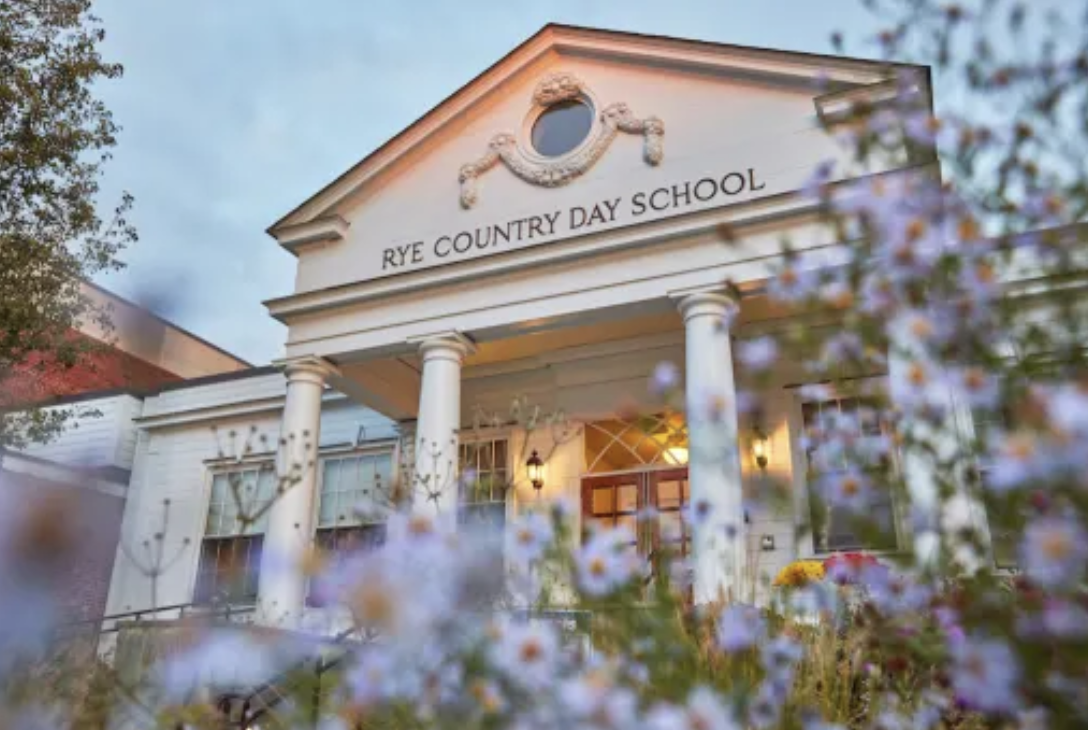
Skills First, Technology Second: How Rye Country Day School Built AI Around Competency-Based Learning
The tools arrived before the question did. Rye Country Day School paused and asked: what do we actually want students to be able to do? The answer changed everything about how they brought AI in.
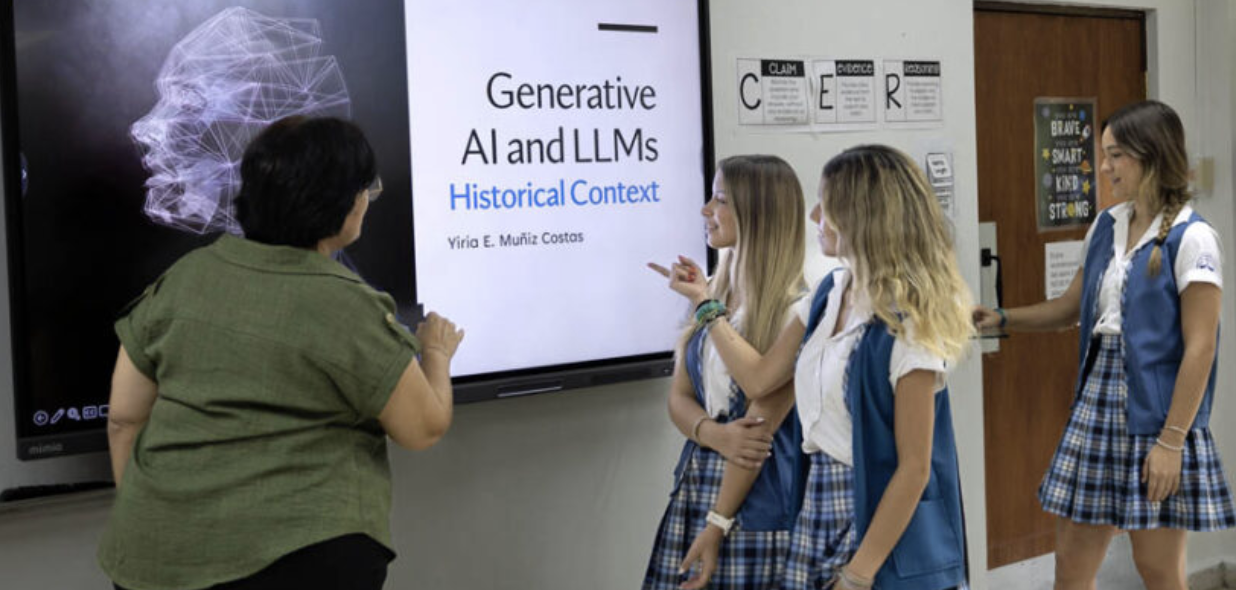
AI in Their Pockets, Values on the Line: A Catholic School and Its Partner Step Up
Students already had AI in their hands. The question wasn't whether to address it — it was whether the school's values would show up in how they did. Here's how one Catholic school decided not to look away.

From AI Training to AI Policy: The K–12 Whac-a-Mole Problem
Have you ever played whac-a-mole? The game used to be a mainstay of arcades and boardwalks. One mole pops its head up. You strike it with a mallet, which sends it underground. But as soon as it disappears, a different mole pops up somewhere else on the gameboard. Repeat until time runs out on the game. AI in schools is a whac-a-mole problem.

Who Is Gen AIC? Understanding the Students Growing Up With AI, COVID, and Educational Disruption
According to conventional wisdom, students currently in high school are part of Gen Z or Gen Alpha. Gen Z, as in “Zoomers,” because many experienced school on Zoom during the COVID pandemic. Gen Alpha, as in “alpha,” because they are the first generation born entirely in the 21st century. I see them as Gen AIC, because they are coming of age amidst the two great paradigm shifts in school: AI and COVID.
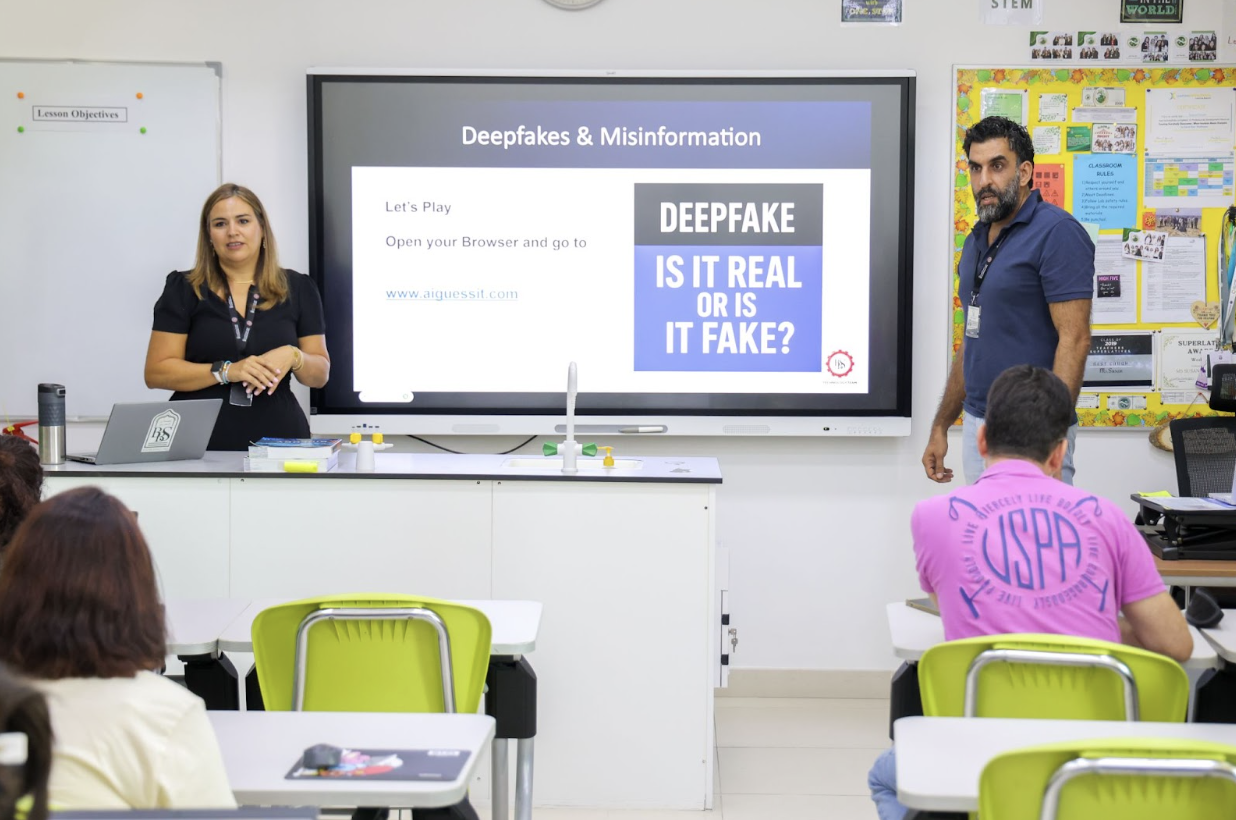
RAIL in Action: How Bahrain Bayan School Built Human‑Led, AI‑Informed Systems
In an international context, the pressure to adopt AI fast is real. Bahrain Bayan School chose a different path — building systems where humans lead and AI informs, not the other way around.
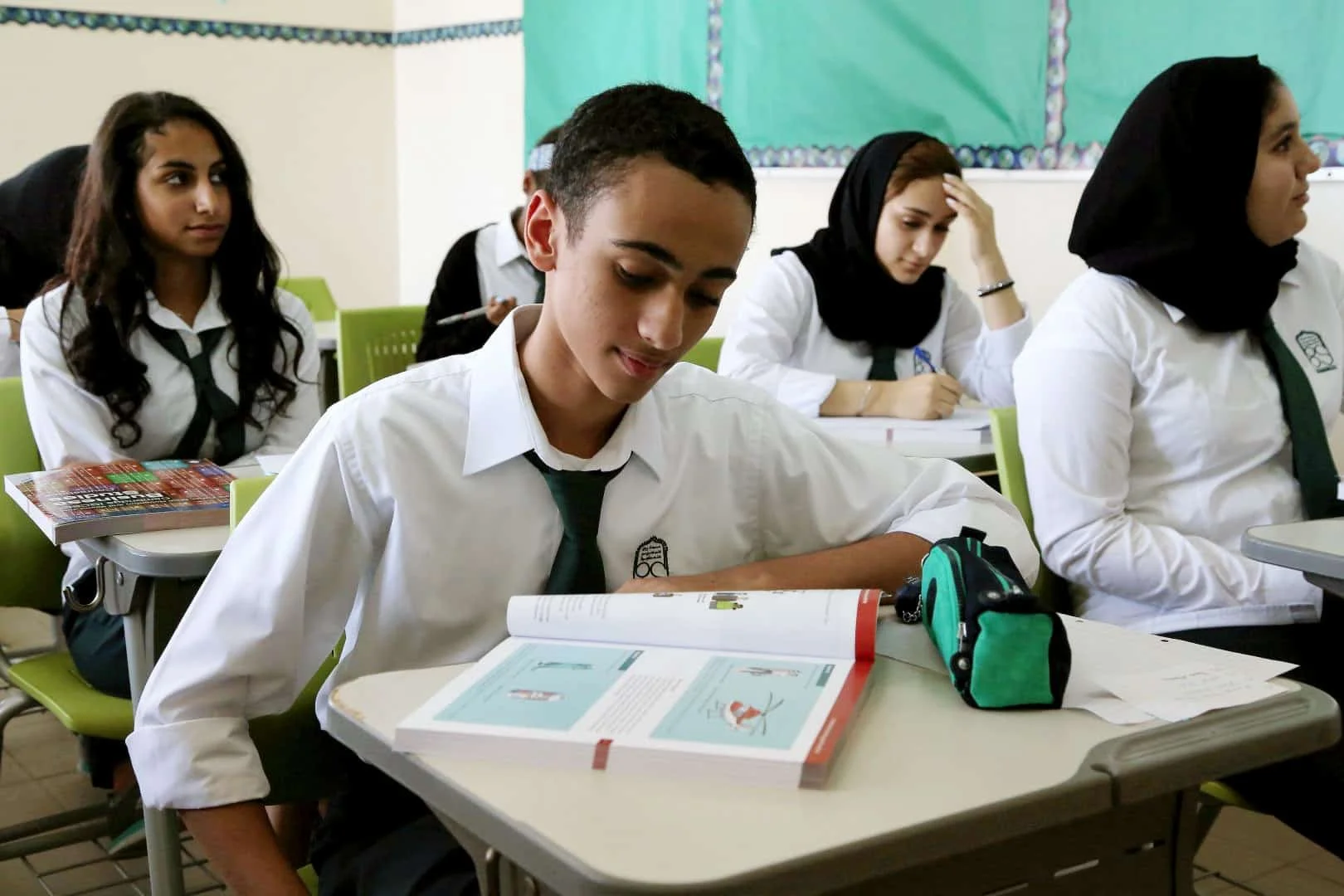
How Do You Honor your Identity in a Rapidly Changing World?
It’s hard enough to prepare young people for an AI-shaped future. But how do you do that while preserving their identity?What about strengthening that identity? Those are the stakes at Bahrain Bayan School, where most students are Bahraini and every decision about curriculum, technology, and student support is a decision about the country’s future. With AI advancing at an exponential rate, Bayan sought a solution in the Middle States Responsible AI in Learning (RAIL) endorsement in AI Literacy, Safety & Ethics. The end result? Bayan amplified their core identity using the endorsement’s implementation framework, called the Pace Layer Model.

The TAKE IT DOWN Act — And The Rise Of AI-Generated Harm
On May 19, 2025, the bipartisan TAKE IT DOWN Act—Tools to Address Known Exploitation by Immobilizing Technological Deepfakes on Websites and Networks—was signed into law in the United States. This legislation is a timely response to an escalating crisis: the online exploitation of minors, including through the creation and distribution of AI-generated deepfakes.

The “Both / And” of AI in Education
Dan Meyer, who is something of an AI Cassandra, has consistently said that students want to learn with and from people who show those students that their thinking matters. AI cannot show a student that their thinking matters. AI can only simulate that kind of feedback.

The EU AI Act Is Here: What Schools Must Do Now
While the White House's new AI Executive Order is making headlines, school leaders in the EU need to pay close attention to what's already in motion: the EU AI Act. Adopted in June 2024 and now entering into force, this landmark legislation formally recognizes schools as deployers of AI systems under Article 29—and that comes with real responsibility.

The Coming AI Tsunami
Have you been struggling to keep up with the constant updates, upgrades, and announcements about AI? Had you sort of checked out, because it had all become too much? There is a tsunami coming. Last week, the White House issued an Executive Order which articulates a significant federal commitment to AI literacy and education in the American K12 system.

Empowering Educators: 5 Must-Have AI Tools for Teachers in 2025
For teachers, gen AI presents a unique opportunity to personalize learning, get efficient and automate tasks, and enhance student thinking and engagement. Over the past year and a half, MSA has fervently championed the power of AI in education.

On DeepSeek and an Educational Red Flag
Whether it is DeepSeek “extinguishing” facts or ChatGPT providing sycophantic replies or any LLM providing the most likely (ie, “average”) response to a query, educators must develop strong AI literacy.
Why AI and What Is Middle States Doing About It?
Thirty years ago, many of my classmates reacted to the idea of co-existing with AI with a, “Yeah right.” Some of us reacted with, “What if…?” Today, we all have to ask, “What now?”