Blog

What happened when a school stopped asking what AI could do?
Pinewood American International School finished its first RAIL endorsement with strong frameworks, but wider faculty engagement hadn't yet taken hold. The challenge wasn't a lack of effort. It was that the school had been treating AI as a technology question when it needed to be a purpose question. What happened next, from a new Portrait of a Graduate to dinner with an AI-generated Lenin, shows what changes when a school answers identity before it answers tools.

Chatbots vs. Cheatbots
AI made it easier than ever to skip the hard work that produces real learning. Carl Hendrick calls this a "learning-architecture problem," and it reframes the whole AI-in-schools debate. Here's why powerful learning has to be designed before AI gets handed to students, not after.
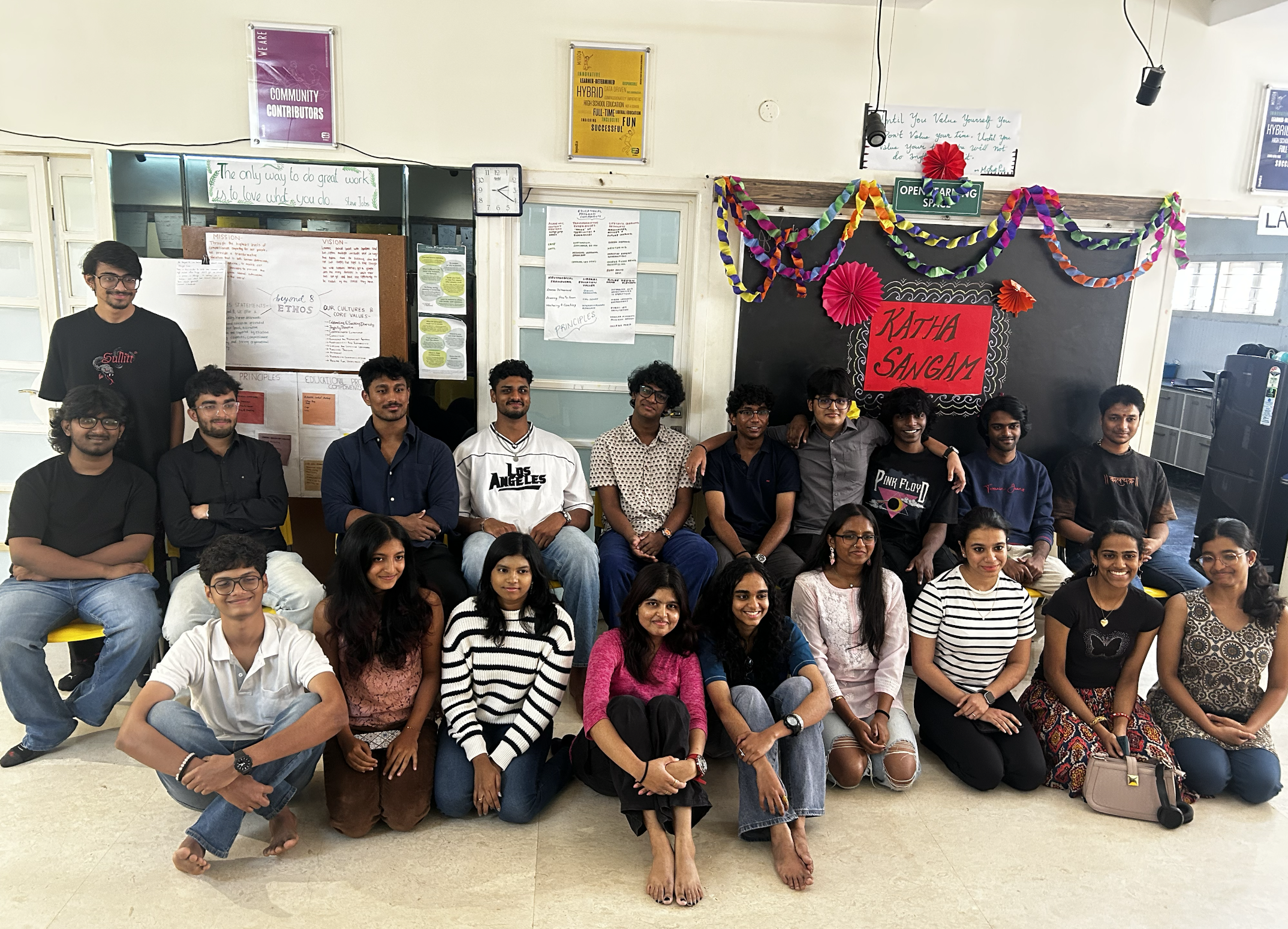
Beyond 8: What Happens When a School's Values Are Clear Enough That Every Technology Question Has an Obvious Answer?
Beyond 8 built its AI scheduler and classroom tools around a decade of clarity about who each learner is, then caught an AI-generated intervention plan that got a student wrong and handed the decision back to her. Read how RAIL helped this school formalize the human-led AI philosophy it already had.
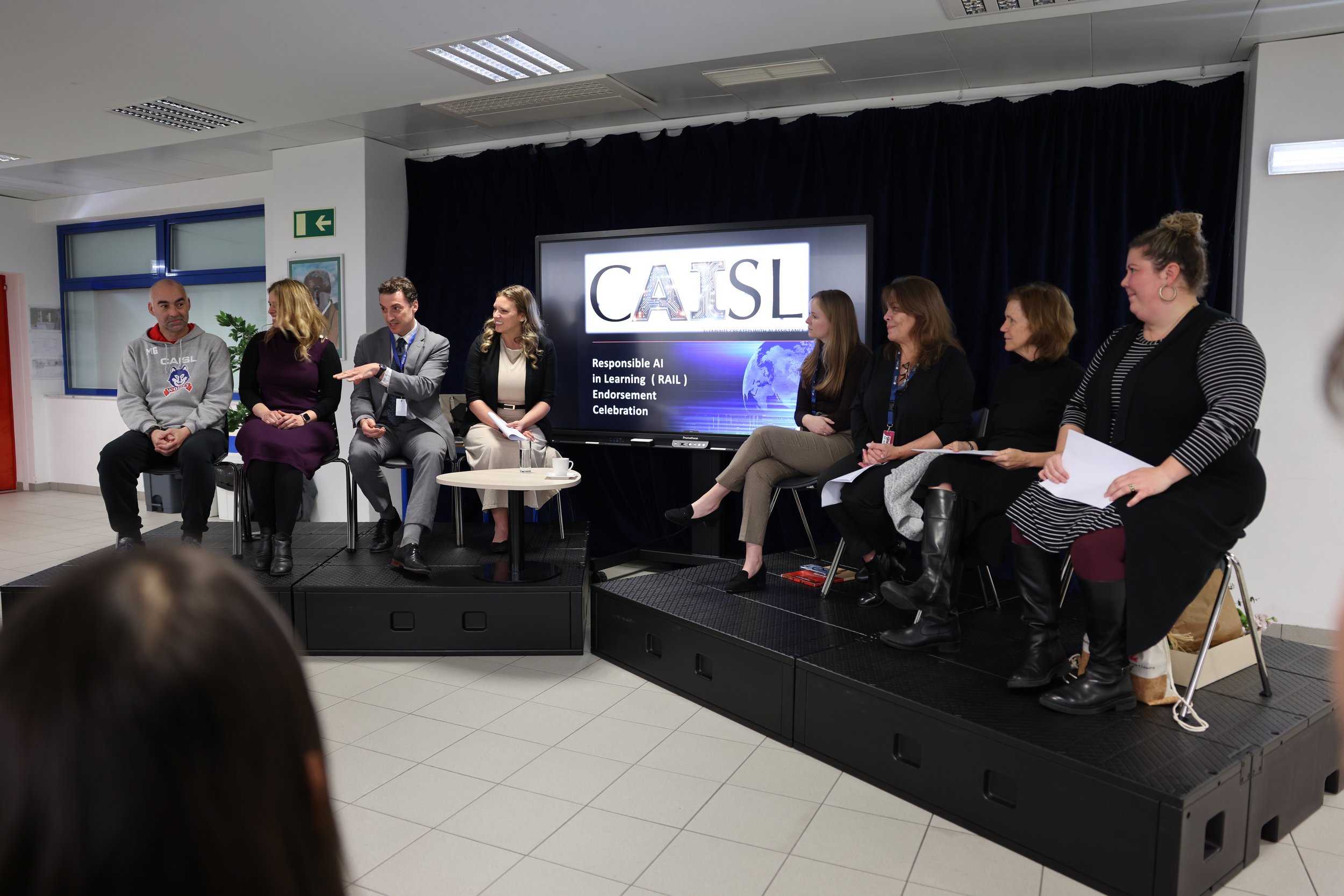
The Conversation Before the Policy: How CAISL Built AI Trust with Parents
Parents had questions CAISL couldn't yet answer with a policy. So instead of waiting, they opened the room — to faculty, to students, and to the parents themselves. Here's what happened when a school decided trust was the framework.

Make the bug a feature: At Episcopal Academy, the conditions came first
We kept hitting the same wall: we had faculty willing to try AI, but no shared language for what "good" looked like. Episcopal Academy didn't wait for the perfect policy. They built the conditions first — and let the tools follow.
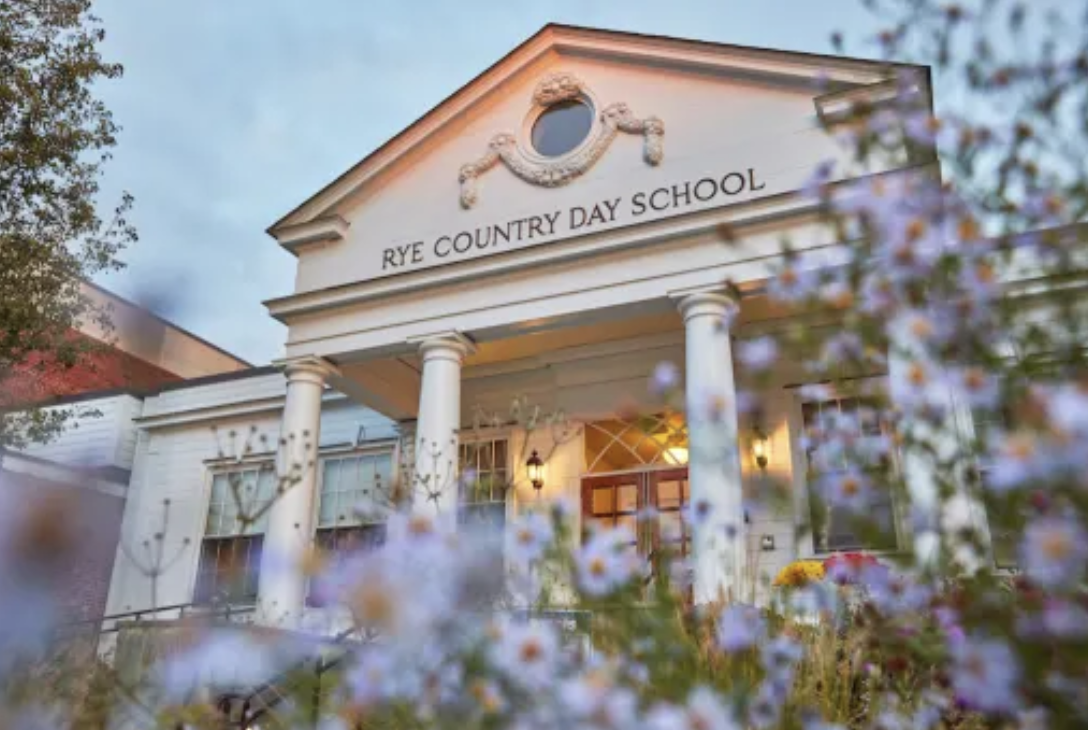
Skills First, Technology Second: How Rye Country Day School Built AI Around Competency-Based Learning
The tools arrived before the question did. Rye Country Day School paused and asked: what do we actually want students to be able to do? The answer changed everything about how they brought AI in.
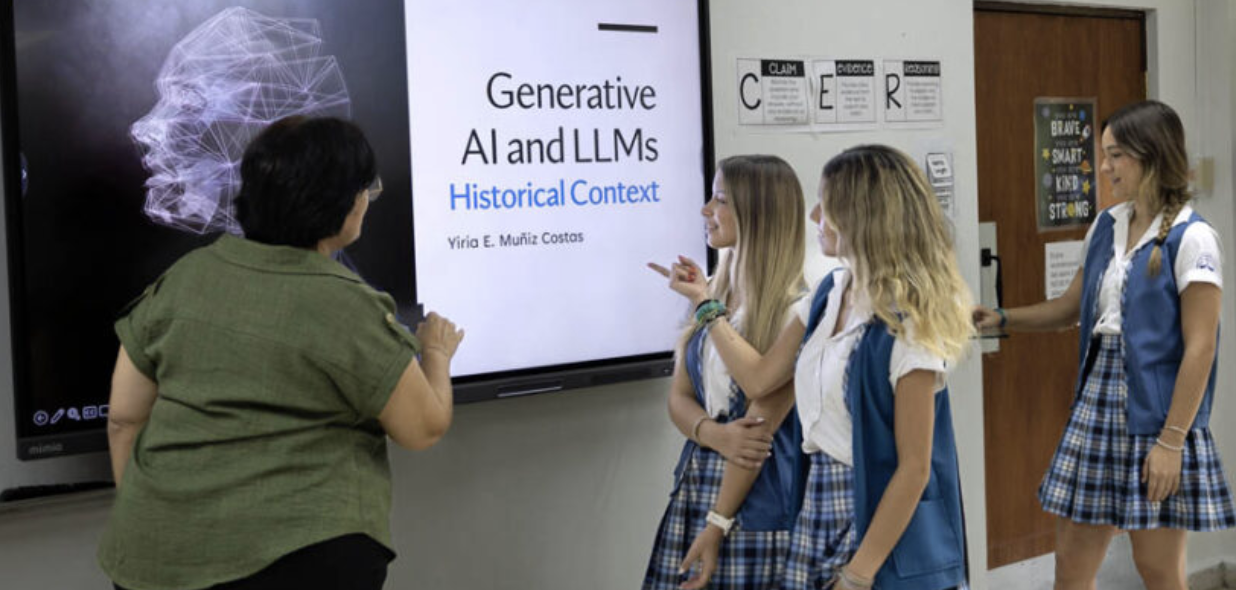
AI in Their Pockets, Values on the Line: A Catholic School and Its Partner Step Up
Students already had AI in their hands. The question wasn't whether to address it — it was whether the school's values would show up in how they did. Here's how one Catholic school decided not to look away.

From AI Training to AI Policy: The K–12 Whac-a-Mole Problem
Have you ever played whac-a-mole? The game used to be a mainstay of arcades and boardwalks. One mole pops its head up. You strike it with a mallet, which sends it underground. But as soon as it disappears, a different mole pops up somewhere else on the gameboard. Repeat until time runs out on the game. AI in schools is a whac-a-mole problem.

Who Is Gen AIC? Understanding the Students Growing Up With AI, COVID, and Educational Disruption
According to conventional wisdom, students currently in high school are part of Gen Z or Gen Alpha. Gen Z, as in “Zoomers,” because many experienced school on Zoom during the COVID pandemic. Gen Alpha, as in “alpha,” because they are the first generation born entirely in the 21st century. I see them as Gen AIC, because they are coming of age amidst the two great paradigm shifts in school: AI and COVID.
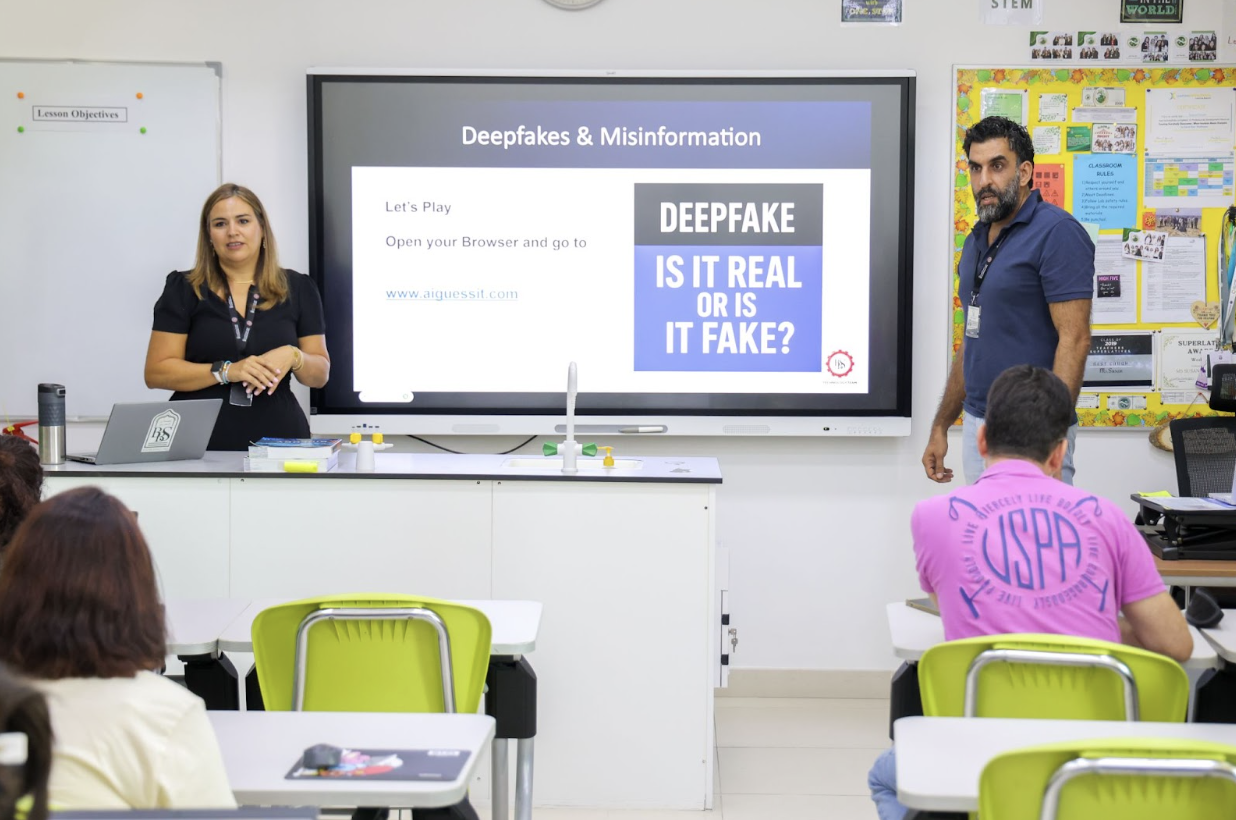
RAIL in Action: How Bahrain Bayan School Built Human‑Led, AI‑Informed Systems
In an international context, the pressure to adopt AI fast is real. Bahrain Bayan School chose a different path — building systems where humans lead and AI informs, not the other way around.
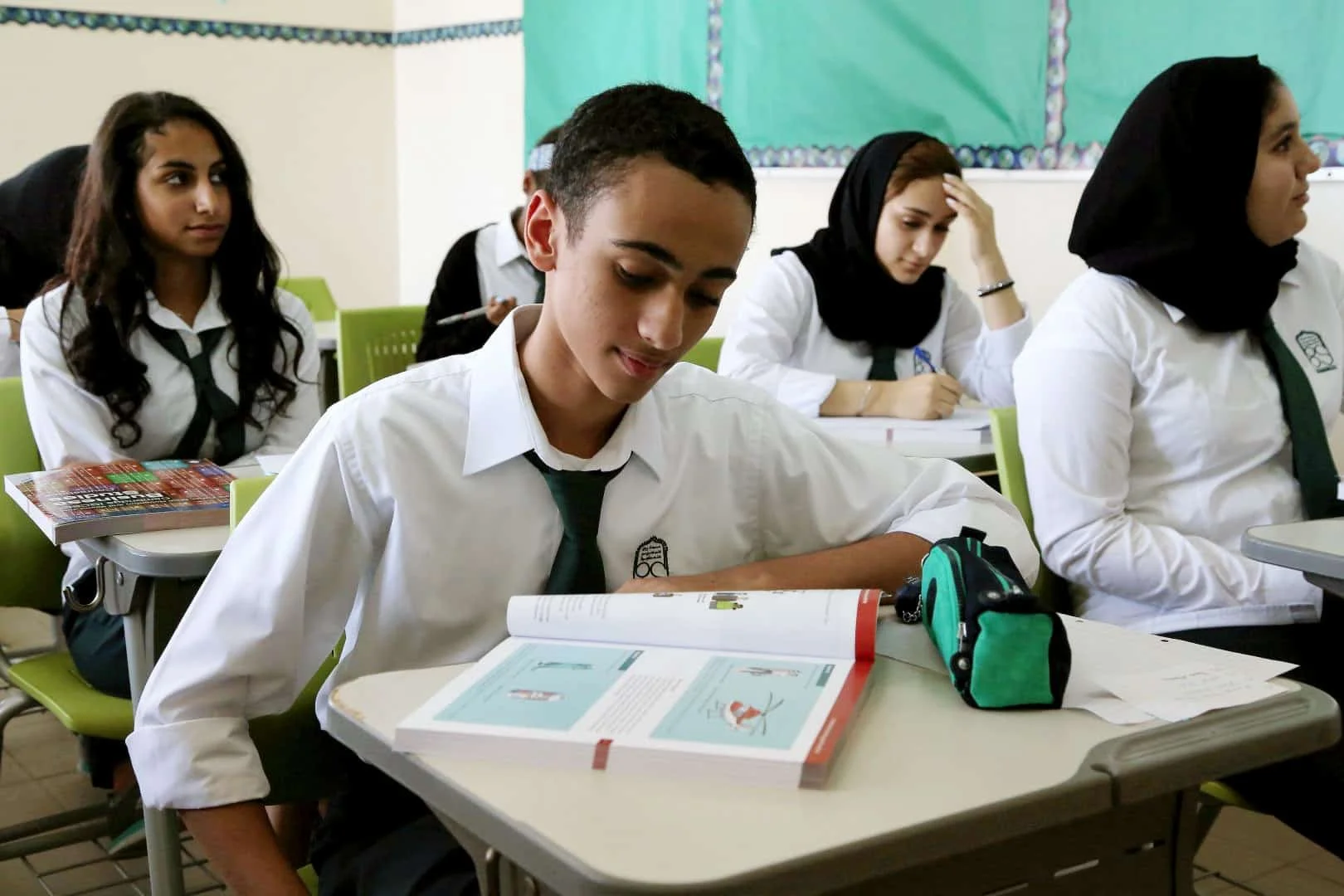
How Do You Honor your Identity in a Rapidly Changing World?
It’s hard enough to prepare young people for an AI-shaped future. But how do you do that while preserving their identity?What about strengthening that identity? Those are the stakes at Bahrain Bayan School, where most students are Bahraini and every decision about curriculum, technology, and student support is a decision about the country’s future. With AI advancing at an exponential rate, Bayan sought a solution in the Middle States Responsible AI in Learning (RAIL) endorsement in AI Literacy, Safety & Ethics. The end result? Bayan amplified their core identity using the endorsement’s implementation framework, called the Pace Layer Model.

Making Space for Resistance: How Choate Rosemary Hall Built AI Adoption on Their Own Terms
Not everyone on faculty was on board — and that turned out to be an asset. Choate Rosemary Hall didn't try to eliminate resistance to AI. They made room for it, and built something more durable because of it.
Why AI Readiness Is About Culture, Not Code
In conversations with education leaders across the Middle States network, one question keeps coming up: “How do we embrace AI without sacrificing what makes learning deeply human?”
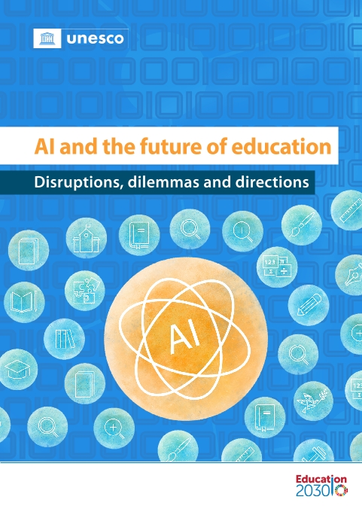
Globally, education leaders are grappling with similar AI readiness questions, as reflected in UNESCO’s comprehensive new anthology, AI and the Future of Education: Disruptions, Dilemmas and Directions (UNESCO, 2025).

Advancing Ethical AI In An Online School System
When your students are fully remote, AI oversight looks completely different. This school system couldn't rely on hallway conversations or classroom culture. They had to build ethical AI use into the structure itself.

Leading the Way: What the UAE’s AI Mandate Signals for Schools Everywhere
This year marks a turning point for education. For the 2025–26 academic year, the Ministry of Education in the UAE is implementing an Artificial Intelligence curriculum across all public schools (Rasheed, 2025).
The goal of this curriculum is to strengthen students’ abilities to apply AI technology in a “safe, ethical, and responsible manner” (Rasheed, 2025).

Leading With Process Before Product at Mt. Lebanon
Every vendor promised a solution. Mt. Lebanon's leadership knew that wasn't the problem. They slowed down to design the process — and that's what made the product choices actually stick district-wide.
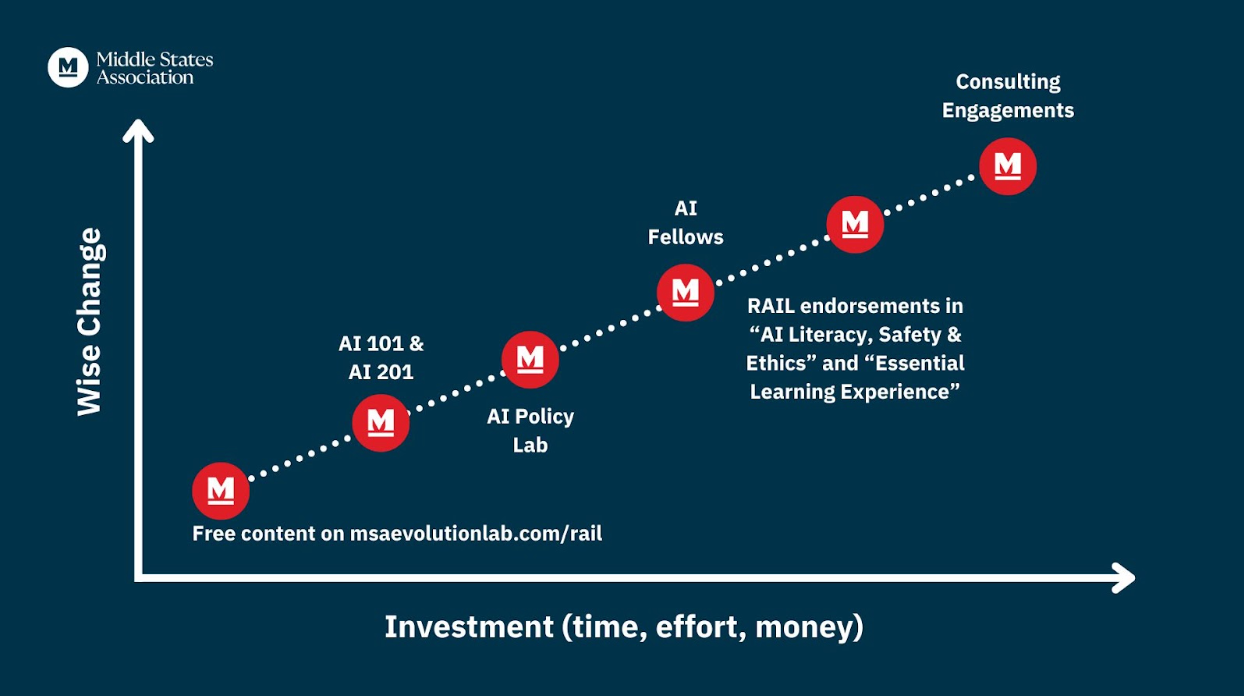
Emerging from Stealth Mode: Middle States AI Fellows
What if you aren’t ready for a full school commitment to AI? What do you do when only a few teachers are ready to lead the way? We have been working in stealth mode on something new to help schools adopt AI responsibly. It is an implementation framework that doubles as a community of practice. We call it AI Fellows.
International School of Lusaka’s Strategic Response to AI
When ChatGPT was released in late 2022, Dr. Liam Hammer had other priorities as the new Head of School of the International School of Lusaka. But as AI conversations intensified globally, the ISL board began pressing for immediate action. A board member had used ChatGPT to write an AI policy for the school and wanted to ratify that policy.
Leading Systemic Change With Responsible AI
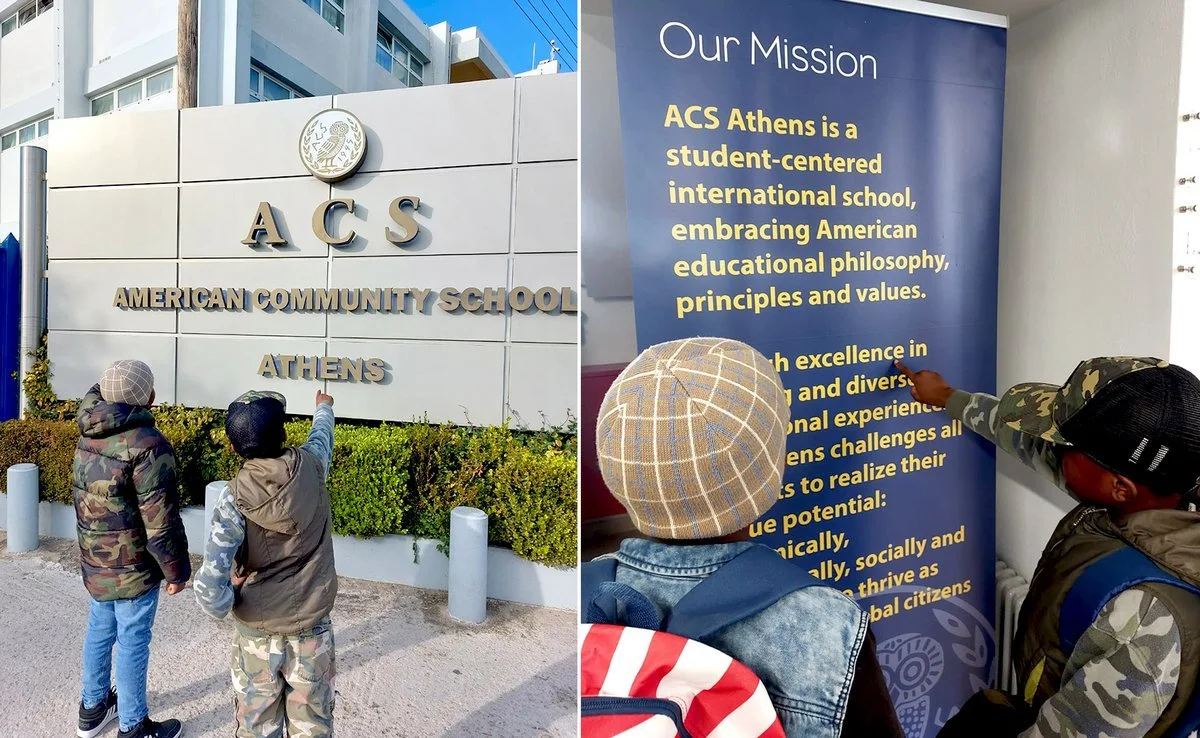
ACS Athens is one of these exemplary schools that leaned into AI early. And they didn’t simply complete the RAIL endorsement experience—they used it to lead real, system-wide change.

A Lesson is Repeated Until It Is Learned
At Middle States, we define powerful learning as an experience in which learners develop purpose and agency as they develop knowledge, skills, and dispositions. ChatGPT Study Mode is not fostering purpose or agency. And it is questionable whether it is fostering knowledge, skills, or dispositions. Which means that at best, tools like ChatGPT’s Study Mode, KhanMigo, Claude’s Learning are anti-cheating tools.